Democracy ain't that bad, afterall
4 Comments Posted by Alex Guerrero on Sunday, July 12, 2009 at 8:08 PM.

An excerpt from Barry Schwartz -the author of "The Paradox of Choice: Why More is Less":
Here his TED Talk about how more choices make us less happy. He couldn't conclude any other way: "the secret to happiness is low expectations".
"[People] had very low expectations. They had no particular expectation when they only came in one flavor. When they came in 100 flavors, damn it, one of them should've been perfect. And what I got was good, but it wasn't perfect. And so I compared what I got to what I expected, and what I got was disappointing in comparison to what I expected. Adding options to people's lives can't help but increase the expectations people have about how good those options will be. And what this is going to produce is less satisfaction with results, even when they're good results".And instead of a pair jeans -his example- think in candidates and political parties in new democracies, and what do we expect from them and what do we get. Maybe is this why so many older generations develop that sort of nostalgia for the years of Franco, the Mexican PRI or the PCUS?
Here his TED Talk about how more choices make us less happy. He couldn't conclude any other way: "the secret to happiness is low expectations".
Labels: ciencia política, democracy
I have been quite naïve so far. Nice streets, warm people and this apparent medium-high level of development were hiding the truth. But the reality is crystal clear: El Salvador is, after Irak, the most dangerous place on Earth (Honduras ranks fourth). As it is the case of DC, in El Salvador weapons are widespread: almost 10% of the population -basically men- carry guns in the streets. No wonder why many restaurants and shops display a door sticker of "Guns forbidden here" next to the one about dogs.

Latino gangs come to the mind of many people when imagining Central American crime. The "mara Salvatrucha" or the 18th street one are internationally famous. I was watching yesterday a documentary on Salvadorian maras (gangs), which apparently became more invisible after the surge in governmental repression since 2003. But also because of that, now they are stronger and the way they operate is pretty similar to the Sicilian mafias: they impose a code of fear and trust in the neighborhoods, a parallel tax system, and a code of honor and retaliation in the areas they control. Gambetta was very good explaining the mindset behind the omertà. But the maras can't be behind the astronomical crime rates and assassinations: their business is to protect, not to assassinate.
"But it's the structural violence in the Salvadorian society the main reason for such a rampant crime", África said to me today. She is responsible for governance and gender at the Spanish Embassy and I just had a meeting with her about our development project. After arguing that usually she is anything but paranoid about crime, she begged me to double my caution, and shared her personal number just in case anything would happen. She also suggested that it would be a good idea to leave the country before election day. "Do you guys expect trouble?", and the answer was more than positive, due to the political tensions going on and how close is the race. Claims of fraud are expected for sure, and political violence can happen during or before election day. In the way back to my guesthouse, I asked my cabdriver if he had experience crime recently. "Look at these red signs in my hands: they tied me hard two months ago". Apparently, he picked up some guys in the bus station, just arriving from Guatemala, and they pointed to his head with a gun and stole his car. He was just lucky to survive, because many others don't.
In a highly cited paper, Morgan Kelly found that violent crime is strongly correlated to inequality, adding more empirical evidence to the social disorganization theories: crime is going to rise in parallel to inequality. And here I am, in one of the most unequal countries in the world, after 22 years rule of the conservative ARENA party (and a previous dictatorship) and two decades of Maquila economy. Data like the one I show below should help us to understand why Salvadorans are living in such a violent world:

Today I also started reading "Guazapa: Testimonio de un médico norteamericano" by Charles Clements. It's the account of a young Californian M.D. in 1980, who after having exposure in San Jose to victims of tortures in El Salvador, decides to get involved and find his way to help civilians suffering the violence of the civil war... in the guerrilla side. After two chapters, I was totally moved by the descriptions of the suffering, surgery with swiss knifes and dental floss, violence and human misery. And this kind of experiences, like that of Dr. Clements, engender a strong, [com]passionate character.
Character, like a photograph, develops better in darkness.

Latino gangs come to the mind of many people when imagining Central American crime. The "mara Salvatrucha" or the 18th street one are internationally famous. I was watching yesterday a documentary on Salvadorian maras (gangs), which apparently became more invisible after the surge in governmental repression since 2003. But also because of that, now they are stronger and the way they operate is pretty similar to the Sicilian mafias: they impose a code of fear and trust in the neighborhoods, a parallel tax system, and a code of honor and retaliation in the areas they control. Gambetta was very good explaining the mindset behind the omertà. But the maras can't be behind the astronomical crime rates and assassinations: their business is to protect, not to assassinate.
"But it's the structural violence in the Salvadorian society the main reason for such a rampant crime", África said to me today. She is responsible for governance and gender at the Spanish Embassy and I just had a meeting with her about our development project. After arguing that usually she is anything but paranoid about crime, she begged me to double my caution, and shared her personal number just in case anything would happen. She also suggested that it would be a good idea to leave the country before election day. "Do you guys expect trouble?", and the answer was more than positive, due to the political tensions going on and how close is the race. Claims of fraud are expected for sure, and political violence can happen during or before election day. In the way back to my guesthouse, I asked my cabdriver if he had experience crime recently. "Look at these red signs in my hands: they tied me hard two months ago". Apparently, he picked up some guys in the bus station, just arriving from Guatemala, and they pointed to his head with a gun and stole his car. He was just lucky to survive, because many others don't.
In a highly cited paper, Morgan Kelly found that violent crime is strongly correlated to inequality, adding more empirical evidence to the social disorganization theories: crime is going to rise in parallel to inequality. And here I am, in one of the most unequal countries in the world, after 22 years rule of the conservative ARENA party (and a previous dictatorship) and two decades of Maquila economy. Data like the one I show below should help us to understand why Salvadorans are living in such a violent world:

Today I also started reading "Guazapa: Testimonio de un médico norteamericano" by Charles Clements. It's the account of a young Californian M.D. in 1980, who after having exposure in San Jose to victims of tortures in El Salvador, decides to get involved and find his way to help civilians suffering the violence of the civil war... in the guerrilla side. After two chapters, I was totally moved by the descriptions of the suffering, surgery with swiss knifes and dental floss, violence and human misery. And this kind of experiences, like that of Dr. Clements, engender a strong, [com]passionate character.
Character, like a photograph, develops better in darkness.
Labels: ciencia política, salvador, Verdades Como Templos, viajes
The Day I Became a "PhD Comics" Character
7 Comments Posted by Alex Guerrero on Monday, November 05, 2007 at 9:31 PM.
Today I became one of those PhDComics characters. I was so pleasantly working at home, gathering data and finding sources for the dissertation, when I received an email from my fellows at NYU telling me about a job talk close to my research topic ("Taxation in Latin American Democracies").
1.) I downloaded the paper, and then I saw the title:
 2.) I ran downstairs in panic. I tried to breath. I walked upstairs again. I then started to read the paper, almost half a dissertation (if not entirely one).
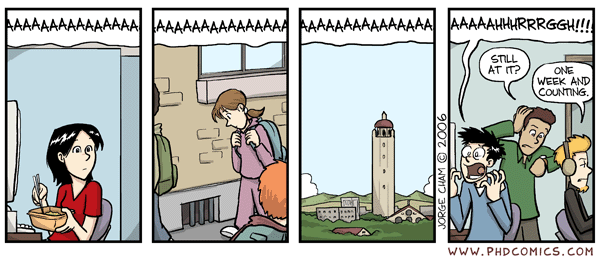
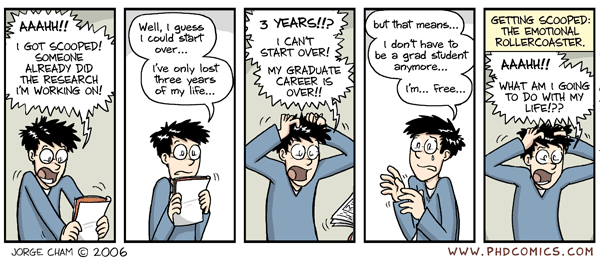 3.) I remembered from PhD Comics what to do in this kind of situations. So I grabbed the paper and started to read it. It was pretty interesting. It was pretty close to my findings, to my approach. Probably we drawn the same expectations about the data from the same literature. We had similar intuitions. We both shared that pessimistic-but-try-to-solve-the-puzzle-please approach to the source of inequality in the continent. I read more and more the masterpiece...
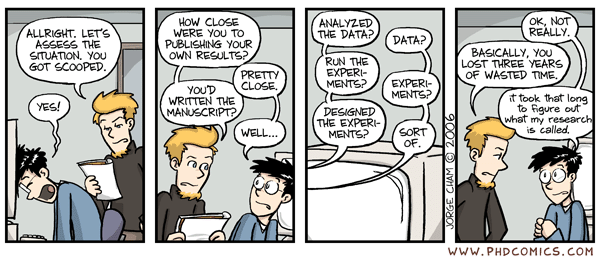
4.) I checked the conclusions... They were quite strong, but leaving a loooot of room

5.) Then I imagined potential solutions for our overlapping... ;-)
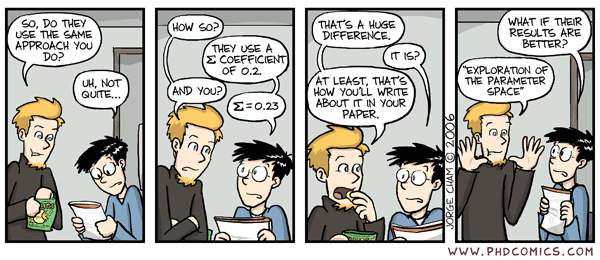 6. And I also learned the lesson! :-)

1.) I downloaded the paper, and then I saw the title:
“Inequality and Redistribution Across Two Centuries: The Path-Dependent Politics of Taxation” (in Latin America)
2.) I ran downstairs in panic. I tried to breath. I walked upstairs again. I then started to read the paper, almost half a dissertation (if not entirely one).3.) I remembered from PhD Comics what to do in this kind of situations. So I grabbed the paper and started to read it. It was pretty interesting. It was pretty close to my findings, to my approach. Probably we drawn the same expectations about the data from the same literature. We had similar intuitions. We both shared that pessimistic-but-try-to-solve-the-puzzle-please approach to the source of inequality in the continent. I read more and more the masterpiece...4.) I checked the conclusions... They were quite strong, but leaving a loooot of room
5.) Then I imagined potential solutions for our overlapping... ;-)
6. And I also learned the lesson! :-)Labels: ciencia política, Querido Diario
Closing Ranks Against The Barbarii
0 Comments Posted by Alex Guerrero on Tuesday, August 21, 2007 at 11:08 PM.
Essex, UK
Your topic, if I understood it correctly, though, sounds interesting, yet tricky. Given the special and close relationship between government and financial elite, how can there be not an enormous amount of control on the latter's part? And how can any government effectively act upon this?
Washington, DC
I remember a brilliant book by Lieberman (2003), comparing Brazil and South Africa. The question was, more or less, why do we observe such different patterns in taxation in two so similar countries (development, racial issues)? The author is especially intrigued by the presence of a strong income tax in South Africa. Supposedly, the white high class in South Africa would have been fighting that kind of pro-redistributive tax from the very beginning, as the wealthy did forever in the unequal Brazil. The guy went back to the past to analyze the circumstances in which the income tax emerged in South Africa (basically it was a "tax to the white citizens" to finance the apartheid system!!!). The wealthy-white conceded to pay it in a voluntary and systematic manner because, basically, they needed a strong state protecting the Apartheid system. So, when Mandela & cia brought democracy to South Africa, early in the 1990s, a strong and capable tax administration was at work, and the fiscal laws were in effect, and the taxpayers were registered and paying their due taxes.
Wars and deep economic crises generated special circumstances in which people is willing to accept and to pay income taxes to avoid the disaster. This was the case in the USA and many European countries. But still, these punctual explanations shall be fitted in a general framework in which people react to different circumstances and calculus (transfers-taxes, etc).
Essex, UK
Isn't it amazing to what extent people are willing to make sacrifices if only the constructed common cause appears to be strong enough? In the case of my beloved yet troubled birthplace (South Africa) it does not come as a big surprise that the white 'racial' community was willing to chip in to keep the other groups in their place which was a tremendously expensive endeavor.
Over the past years I have been watching the 'Western Civilization' close ranks against the contemporary Barbarians or terrorists in a futile attempt to buy a heightened sense of security at the price of civil liberties - a rather dear price, if you ask me. People never cease to puzzle me.
Your topic, if I understood it correctly, though, sounds interesting, yet tricky. Given the special and close relationship between government and financial elite, how can there be not an enormous amount of control on the latter's part? And how can any government effectively act upon this?
Washington, DC
I remember a brilliant book by Lieberman (2003), comparing Brazil and South Africa. The question was, more or less, why do we observe such different patterns in taxation in two so similar countries (development, racial issues)? The author is especially intrigued by the presence of a strong income tax in South Africa. Supposedly, the white high class in South Africa would have been fighting that kind of pro-redistributive tax from the very beginning, as the wealthy did forever in the unequal Brazil. The guy went back to the past to analyze the circumstances in which the income tax emerged in South Africa (basically it was a "tax to the white citizens" to finance the apartheid system!!!). The wealthy-white conceded to pay it in a voluntary and systematic manner because, basically, they needed a strong state protecting the Apartheid system. So, when Mandela & cia brought democracy to South Africa, early in the 1990s, a strong and capable tax administration was at work, and the fiscal laws were in effect, and the taxpayers were registered and paying their due taxes.
Wars and deep economic crises generated special circumstances in which people is willing to accept and to pay income taxes to avoid the disaster. This was the case in the USA and many European countries. But still, these punctual explanations shall be fitted in a general framework in which people react to different circumstances and calculus (transfers-taxes, etc).
Essex, UK
Isn't it amazing to what extent people are willing to make sacrifices if only the constructed common cause appears to be strong enough? In the case of my beloved yet troubled birthplace (South Africa) it does not come as a big surprise that the white 'racial' community was willing to chip in to keep the other groups in their place which was a tremendously expensive endeavor.
Over the past years I have been watching the 'Western Civilization' close ranks against the contemporary Barbarians or terrorists in a futile attempt to buy a heightened sense of security at the price of civil liberties - a rather dear price, if you ask me. People never cease to puzzle me.
Labels: ciencia política, EEUU, England
 El otro día estaba cenando con Colomer, que además de ser uno de los mayores expertos en reglas electorales, dirige el comité encargado de redactar la nueva ley electoral catalana. Es algo en lo que no le envidiamos: lidiar con todos los partidos en la tarea imposible de hacer una buena ley, adaptada a los nuevos tiempos y la edemocracia.
Difícilmente pasará si todos no salen medio contentos de la reunión. Aún así, resulta extraño que personas concretas acaben definiendo las líneas maestras de cómo será la política catalana a partir de 2010. Espero que menos crispada.
(Aquí cuento la batallita en detalle y los pormenores).
Labels: ciencia política, política
A los americanos les gusta pensar que su país es un melting pot. Una especie de cocido de gentes, culturas y razas distintas. Por eso, aunque se aferren a ser italoamericanos, afroamericanos o irish-american, al final todos se consideran parte de la Land of the Brave.
 Hay un programa en MTV llamado Next (también en la española) que consiste en poner a un chico o chica atractivos, y someterle a cinco citas a ciegas. En cualquier momento puede gritar "Next!" y olvidarse de su cita, a la que habrá sometido a pruebas absurdas. De hecho, el tipo de valores que transmite el programa es bastante patético ("elimino a este porque tiene las manos pequeñas", "elimino a esta porque mucho cerebro pero poca fuerza").
Pero el punto es que en un momento del programa, que más parece un pase de modelos, me doy cuenta de que cuando la chica es blanca, todas sus citas son blancos. Cuando él es negro, todas sus citas son negras. Hago memoria, y ninguna de las doce o trece parejas que vinieron a ver mi antiguo apartamento para sustituirme era mixta.

Si consideramos, como hacen en EEUU, a los latinoamericanos como no-blancos (hispanics), en España los matrimonios mixtos han pasado del 2,5% al 9% en 2005, y al 12% en 2006. El rápido crecimiento de los matrimonios interétnicos es algo impresionante*, porque empieza a superar el tamaño de la población extranjera (!!).
En el caso de EEUU, por contra, el crecimiento ha sido muy lento (0,7% en 1970, 1,30% en 1980, 2,2% en 1991, y 4,90% en 2000). Además, se producen fenómenos curiosos, como que las mujeres asiáticas tienen 2,5 veces más posibilidades de casarse con un blanco que los chicos asiáticos. Los chicos negros casados con asiáticas son algo frecuente, mientras que los chicos asiáticos casados con chicas negras es casi inexistente. La moraleja -aparte de si eres asiatico-americano, lo tienes más difícil- es que necesitas tener población diversa para tener matrimonios interétnicos (obvio), pero que esto no garantiza nada. En EEUU las diversas minorías componen más del 50% de la población y, sin embargo, los matrimonios interétnicos son muy poco frecuentes. Desde Myrdal a Becker, existen todo tipo de teorías que explican cómo el origen social, el grupo de amigos, el tipo de trabajo al que accedes y otras variables socioeconómicas afectan al tipo de persona con la que te casarás. Pero si las barreras sociales no son claras, esos matrimonios se pueden dar. ¿La gente de un barrio popular de madrid tiene la misma probabilidad de casarse con un inmigrante que la gente del barrio de Salamanca? Obviamente, no. Pero parece que, en conjunto, sí hay más fluidez matrimonial que en EEUU.
Pero todo esto encaja perfectamente con la historia desde el descubrimiento de América (los colonos españoles empezaron a formar matrimonios interétnicos desde el primer año de la conquista, y siempre nos queda el ejemplo de Cortés y su traductora azteca). En comparación, las Pocahontas y los Smith fueron cosa poco común en la colonización británica de EEUU. Sólo hay que observar el tamaño relativo de las poblaciones indígenas (y mixtas) en Latinoamérica y Estados Unidos para hacerse una idea de lo que sucedió.
¿Cuál es el verdadero melting pot? ¿el anglosajón, o el hispano?
(Lee más sobre matrimonios interétnicos)
* Para los que piensen que la explicación es que se pretenden conseguir "papeles" con estos matrimonios, lo mismo debería observarse en EEUU, donde los incentivos son los mismos y las dificultades para ilegalizarse, similares.
Hay un programa en MTV llamado Next (también en la española) que consiste en poner a un chico o chica atractivos, y someterle a cinco citas a ciegas. En cualquier momento puede gritar "Next!" y olvidarse de su cita, a la que habrá sometido a pruebas absurdas. De hecho, el tipo de valores que transmite el programa es bastante patético ("elimino a este porque tiene las manos pequeñas", "elimino a esta porque mucho cerebro pero poca fuerza").Pero el punto es que en un momento del programa, que más parece un pase de modelos, me doy cuenta de que cuando la chica es blanca, todas sus citas son blancos. Cuando él es negro, todas sus citas son negras. Hago memoria, y ninguna de las doce o trece parejas que vinieron a ver mi antiguo apartamento para sustituirme era mixta.

Si consideramos, como hacen en EEUU, a los latinoamericanos como no-blancos (hispanics), en España los matrimonios mixtos han pasado del 2,5% al 9% en 2005, y al 12% en 2006. El rápido crecimiento de los matrimonios interétnicos es algo impresionante*, porque empieza a superar el tamaño de la población extranjera (!!).
En el caso de EEUU, por contra, el crecimiento ha sido muy lento (0,7% en 1970, 1,30% en 1980, 2,2% en 1991, y 4,90% en 2000). Además, se producen fenómenos curiosos, como que las mujeres asiáticas tienen 2,5 veces más posibilidades de casarse con un blanco que los chicos asiáticos. Los chicos negros casados con asiáticas son algo frecuente, mientras que los chicos asiáticos casados con chicas negras es casi inexistente. La moraleja -aparte de si eres asiatico-americano, lo tienes más difícil- es que necesitas tener población diversa para tener matrimonios interétnicos (obvio), pero que esto no garantiza nada. En EEUU las diversas minorías componen más del 50% de la población y, sin embargo, los matrimonios interétnicos son muy poco frecuentes. Desde Myrdal a Becker, existen todo tipo de teorías que explican cómo el origen social, el grupo de amigos, el tipo de trabajo al que accedes y otras variables socioeconómicas afectan al tipo de persona con la que te casarás. Pero si las barreras sociales no son claras, esos matrimonios se pueden dar. ¿La gente de un barrio popular de madrid tiene la misma probabilidad de casarse con un inmigrante que la gente del barrio de Salamanca? Obviamente, no. Pero parece que, en conjunto, sí hay más fluidez matrimonial que en EEUU.
Pero todo esto encaja perfectamente con la historia desde el descubrimiento de América (los colonos españoles empezaron a formar matrimonios interétnicos desde el primer año de la conquista, y siempre nos queda el ejemplo de Cortés y su traductora azteca). En comparación, las Pocahontas y los Smith fueron cosa poco común en la colonización británica de EEUU. Sólo hay que observar el tamaño relativo de las poblaciones indígenas (y mixtas) en Latinoamérica y Estados Unidos para hacerse una idea de lo que sucedió.
¿Cuál es el verdadero melting pot? ¿el anglosajón, o el hispano?
(Lee más sobre matrimonios interétnicos)
* Para los que piensen que la explicación es que se pretenden conseguir "papeles" con estos matrimonios, lo mismo debería observarse en EEUU, donde los incentivos son los mismos y las dificultades para ilegalizarse, similares.
Labels: ciencia política, curiosidades, diferencias, EEUU, españa


